The NWEA MAP (Measures of Academic Progress) test is an adaptive assessment that helps measure a student’s academic performance and growth over time. Unlike traditional standardized tests, MAP adjusts the difficulty of questions based on a student’s responses, providing a precise measurement of their strengths and areas for improvement.
Because MAP scores are used by schools to track progress, identify learning gaps, and determine placement in advanced or intervention programs, many parents want to help their children perform their best. The good news is that MAP scores can improve with the right strategies. Below are the top methods to help your child increase their map scores by grade level 2025 and build long-term academic success.
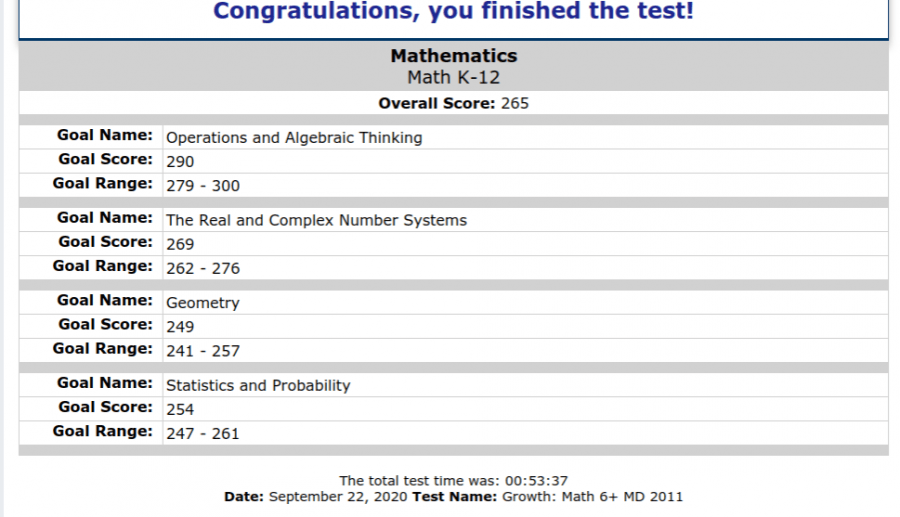
1. Understand the MAP Test and RIT Scores
Before helping your child improve, it’s important to understand how the MAP test works. The test covers math, reading, and language usage and provides scores on a RIT scale (Rasch Unit).
Unlike traditional tests, MAP does not have a “pass” or “fail” score. Instead, it tracks growth over time. A good strategy is to focus on score improvement rather than just the number itself. Reviewing your child’s RIT score report can help identify their strengths and areas that need more practice.
2. Set Realistic Growth Goals
Since the MAP test measures growth, setting realistic and achievable goals is key. Here’s how you can help:
- Review your child’s previous MAP score report to understand their baseline.
- Compare their score with national grade-level averages to see where they stand.
- Work with teachers to set a reasonable growth target (e.g., improving by 5–10 RIT points in a subject).
Setting small, achievable goals makes progress measurable and keeps your child motivated.
3. Develop Strong Reading Habits
The reading section of the MAP test assesses comprehension, vocabulary, and critical thinking. Improving in these areas requires regular reading practice.
How to Improve Reading Skills
- Encourage Daily Reading – Have your child read for at least 20–30 minutes per day.
- Use a Variety of Texts – Expose them to fiction, nonfiction, news articles, and poetry to build comprehension across different formats.
- Ask Comprehension Questions – After reading, discuss the material by asking who, what, when, where, why, and how questions.
- Use Online Reading Programs – Websites like Newsela, ReadTheory, and Raz-Kids provide practice with adaptive reading comprehension exercises.
By improving reading fluency and comprehension, your child will feel more confident when facing MAP reading questions.
4. Strengthen Math Skills with Practice and Real-Life Applications
The MAP math test includes concepts such as numbers and operations, algebra, geometry, and problem-solving.
Ways to Improve Math Performance
- Practice with Online Math Tools – Websites like Khan Academy, IXL, and Prodigy provide targeted practice based on RIT scores.
- Use Flashcards for Basic Skills – Mastery of multiplication, division, fractions, and decimals improves overall performance.
- Apply Math to Daily Life – Engage your child with budgeting, measuring in cooking, or calculating discounts while shopping.
- Work on Word Problems – Since MAP questions often involve real-world scenarios, practice word problems regularly.
Encouraging problem-solving and critical thinking in math will make a big difference in your child’s MAP scores.
5. Take Advantage of Free MAP Practice Tests
Since the MAP test is computer adaptive, students benefit from practicing in a similar format. Several websites offer free MAP-style practice tests that help students become familiar with the test’s structure.
Some useful platforms include:
- TestPrep-Online (offers free sample MAP questions)
- Varsity Tutors (MAP test prep resources)
- MobyMax (adaptive learning tools)
Regular practice reduces test anxiety and helps children feel more comfortable with the format.
6. Encourage a Growth Mindset
Students who believe they can improve through effort and learning from mistakes tend to perform better on the MAP test. Parents can foster a growth mindset by:
- Praising effort instead of just results (“I’m proud of how hard you worked on this problem!”).
- Teaching that mistakes are learning opportunities.
- Encouraging persistence and problem-solving.
When students view challenges as opportunities to grow, they stay motivated and engaged in learning.
7. Build Strong Test-Taking Strategies
Even with strong academic skills, students can struggle with test-taking. Help your child develop strategies to tackle the MAP test effectively:
- Read questions carefully – Many students lose points by misreading questions.
- Eliminate wrong answers – On multiple-choice questions, teach them to eliminate obviously incorrect choices to improve guessing odds.
- Manage time wisely – Remind them not to spend too long on one question since MAP is untimed, but rushing can lead to mistakes.
- Use the process of elimination – Teach strategies for working through problems logically instead of guessing.
Practicing these techniques can improve test accuracy and confidence.
8. Get Plenty of Rest Before Test Day
A child’s mental and physical health plays a big role in test performance. To ensure your child is prepared:
- Make sure they get at least 8–10 hours of sleep the night before the test.
- Provide a healthy breakfast with protein and complex carbs for sustained energy.
- Encourage deep breathing exercises to reduce anxiety before testing.
Feeling well-rested and calm helps students stay focused and perform their best.
9. Review Past MAP Score Reports with Teachers
Teachers can provide insights into strengths and weaknesses based on previous MAP test results. Schedule a meeting to:
- Discuss areas where your child struggled in the last MAP test.
- Get recommendations for at-home practice.
- Ask about school resources like tutoring or enrichment programs.
Working with teachers ensures your child gets the right support both at home and in the classroom.
Final Thoughts
Improving NWEA MAP scores is not just about preparing for a single test—it’s about developing long-term learning skills. By building strong reading and math habits, setting realistic goals, practicing test-taking strategies, and fostering a growth mindset, students can boost their performance and confidence.
With the right support, preparation, and encouragement, your child can show steady academic progress and maximize their potential on the MAP test and beyond.
 Nwea Map Test Scores 2025-2026